Your Complete Guide to Successfully Uploading Custom DTF Gang Sheets
As the custom apparel industry continues to thrive, understanding the intricacies of Direct-to-Film (DTF) printing has become essential for small to medium-sized business owners and creative entrepreneurs. This technology allows for high-quality prints without the constraints of traditional screen printing methods. In this dynamic landscape, learning how to upload your custom DTF gang sheets efficiently is a game-changer. It not only accelerates your production process but also ensures that you can meet your clients' demands for unique, personalized designs.
Many apparel decorators often face challenges when it comes to using DTF printing technology, particularly in the uploading process. This is where a clear, step-by-step approach can make all the difference. By mastering the art of uploading custom DTF gang sheets, you can streamline your workflow and enhance the overall quality of your products. Whether you are a seasoned professional or just starting, this guide will walk you through the essential steps to ensure a smooth and efficient uploading experience.
Moreover, the ability to upload custom DTF gang sheets empowers you to experiment with your designs, allowing for greater creativity and flexibility in your projects. This article will not only outline the necessary steps for uploading your gang sheets but will also provide insights into optimizing your files for the best results. By the end of this guide, you will be equipped with the knowledge needed to take your custom apparel business to new heights.
Understanding the Basics of DTF Printing
Before diving into the uploading process, it's crucial to grasp the fundamentals of DTF printing. This innovative method involves transferring designs from a special film to various fabrics. The process uses a unique adhesive that bonds the ink to the material, resulting in vibrant colors and durable prints. DTF printing stands out as a preferred choice for many apparel decorators, primarily due to its versatility and the quality of the final product.
One of the significant advantages of DTF printing is the absence of minimum order requirements, making it ideal for small businesses and freelancers. This allows you to produce small batches of custom designs without the need for large inventory commitments. Additionally, DTF prints are known for their soft feel and excellent washability, which are critical factors that customers look for in quality apparel.
When preparing your custom DTF gang sheets, it’s essential to work with the right software tools. Adobe Illustrator and CorelDRAW are among the most popular options for creating high-quality designs. These programs provide the necessary features to ensure that your graphics are not only visually appealing but also formatted correctly for printing. Understanding file formats is also vital; using PNG or TIFF files typically yields the best results for DTF printing.
Choosing the Right Software for Your Designs
Choosing the right software can significantly impact the quality of your designs. Popular graphic design programs like Adobe Illustrator and CorelDRAW offer a range of tools that allow you to create intricate designs tailored for DTF printing. These programs support vector graphics, ensuring your designs remain sharp and clear, regardless of size adjustments.
Moreover, it's essential to familiarize yourself with the specific settings required for DTF gang sheets. For instance, setting the correct DPI (dots per inch) is crucial for achieving high-resolution prints. A DPI of 300 is generally recommended for the best results. Additionally, consider using layers to organize different design elements effectively. This organization will not only streamline the uploading process but also make editing easier down the line.
File Formats and their Importance
When creating designs for DTF printing, the choice of file format plays a pivotal role in the final output quality. As mentioned earlier, PNG and TIFF formats are preferred because they preserve the transparency and quality of your designs. Using formats such as JPEG can lead to unwanted compression artifacts that diminish the overall appearance of your prints.
Additionally, ensuring that your color profiles are correctly set up can prevent color discrepancies between your digital design and the final printed product. Always use CMYK color mode for printing purposes, as it corresponds more accurately to the inks used in DTF printing. Understanding these technical aspects will help you produce superior quality gang sheets that meet your clients' expectations.
Preparing Your Gang Sheets for Upload
Preparation is key when uploading your custom DTF gang sheets. Before hitting that upload button, it's essential to ensure that your designs are optimized for the best possible print outcomes. This involves several critical steps, such as checking the dimensions of your designs, ensuring bleed settings are correct, and confirming that all layers are properly flattened before exporting your files. visit this page
One common mistake many designers make is overlooking the size of the gang sheets. Ensure that your designs fit within the specified dimensions required by your printing service. Typically, gang sheets are designed to maximize the usage of the film, allowing you to print multiple designs at once while minimizing waste. By adhering to the correct dimensions, you not only save costs but also contribute to a more sustainable printing process.
Furthermore, checking the color settings of your designs can significantly affect the outcome. Always use the correct color profiles and ensure that the color mode is set to CMYK. This will help ensure that the colors you see on your screen closely match those in the final print. Taking the time to prepare your files properly can make a significant difference in the quality of your final product.
Understanding Bleed and Safety Margins
When preparing your designs, understanding the concept of bleed is essential. Bleed refers to the area of the design that extends beyond the final cut size. This is particularly important for DTF prints, as it ensures that there are no unprinted edges when your designs are cut after printing. Typically, a bleed of about 1/8 inch is recommended.
In addition to bleed, safety margins are equally important. These margins are the buffer zones around your design, ensuring that critical elements are not cut off during the production process. By maintaining proper bleed and safety margins, you safeguard your designs against potential issues that could arise during cutting and finishing.
File Size and Compression Considerations
File size is another crucial factor to consider when uploading your custom DTF gang sheets. Large file sizes can lead to slow upload times and potential errors during the uploading process. To mitigate this, ensure that your designs are optimally compressed without sacrificing quality. Using software to reduce file size while maintaining resolution can be beneficial.
However, be cautious with the level of compression applied, as excessive compression can introduce artifacts that degrade the quality of your prints. Always preview your designs after compression to ensure they retain the necessary clarity and detail. Balancing file size with quality will streamline your uploading process and contribute to better print results.
Step-by-Step Guide to Uploading Your Designs
Once your designs are properly prepared, the next step is to upload them efficiently. This section will provide a detailed, step-by-step guide on how to upload your custom DTF gang sheets to your chosen printing platform. Following these steps will ensure a seamless experience, allowing you to focus on what you do best—creating stunning custom apparel.
Begin by logging into your account on the printing service's website. Most platforms will have a straightforward interface that guides you through the uploading process. Look for the "Upload" or "Create New Order" button, which typically leads you to the file upload section. Select the appropriate file from your computer; ensure it's the correct format and that it meets the specifications provided by the service.
After selecting your file, you may be prompted to provide additional information, such as the type of garment, color choices, and any special instructions. Make sure to double-check all details before finalizing the upload. Once everything is confirmed, click the "Submit" or "Upload" button. Depending on the file size and your internet connection, this may take a few moments.
Confirmation and Review Process
Once your files are uploaded, the next crucial step is to confirm the upload and review your designs. Most platforms will provide a preview of your uploaded gang sheets, allowing you to check for any discrepancies or issues. This review process is vital as it helps catch any mistakes before your designs go into production.
Take the time to examine the colors, positioning, and any text elements in your designs. If anything appears off, most platforms will allow you to make adjustments or re-upload the necessary files. Confirming your designs before proceeding to the production stage can save you time and resources, ensuring you achieve the best possible outcome for your custom apparel. eazydtf.com website
Finalizing Your Order
After confirming that everything looks perfect, the final step is to complete your order. This typically involves selecting your payment method and specifying any additional options, such as shipping preferences. Be sure to review all order details carefully before submitting your payment.
Once your order is finalized, you should receive a confirmation email outlining the details of your purchase. Keep an eye on this email, as it will contain important information regarding shipping and tracking. Understanding the entire uploading and ordering process will not only enhance your workflow but also improve customer satisfaction.
Common Issues and Troubleshooting Tips
Even with careful preparation, issues can sometimes arise during the uploading process. It's essential to be aware of potential problems and have troubleshooting strategies in place. Common issues include file format errors, size discrepancies, and color mismatches. Being prepared can save you time and frustration.
If you encounter a file format error, double-check the accepted formats on the printing service’s website. If your uploaded file isn't in the correct format, you may need to convert it using graphic design software. Similarly, if your file is too large, consider compressing it or reducing its dimensions to fit within the platform's specifications.
Color mismatches can also occur, particularly if the color profiles are not set correctly. Always ensure that you are working in CMYK mode and that your color settings are aligned with the printing requirements. If discrepancies arise, consult your software's help resources for guidance on correcting color settings.
When to Seek Help from Customer Support
If you encounter persistent issues or have questions about the uploading process, don’t hesitate to reach out to customer support. Most printing services offer assistance via email, chat, or phone. Providing them with specific details about your issue will help resolve your concerns more efficiently.
Customer support teams can also provide valuable insights on best practices for uploading designs, which can enhance your overall experience. Leveraging their expertise can help you avoid common pitfalls and ensure that your designs are processed smoothly.
Learning from Experience
Every upload provides an opportunity to learn and improve your process. After completing several orders, take the time to review what worked well and what didn’t. Analyzing your experiences can help you refine your approach to design preparation and uploading, leading to faster turnaround times and higher quality products.
Consider keeping a checklist of the steps involved in uploading your designs. This can serve as a valuable reference for future uploads, ensuring that you consistently meet all requirements and avoid common mistakes. Continuous learning and adaptation are key components to success in the ever-evolving custom apparel industry.
Table of Printing Specifications
| Specification | Recommended Value | Notes |
|---|---|---|
| File Format | PNG, TIFF | Preferred for maintaining quality and transparency |
| DPI | 300 | Higher DPI ensures better print resolution |
| Bleed | 1/8 inch | Prevents unprinted edges |
| Color Mode | CMYK | Aligns with printing ink colors |
| File Size | Under 10 MB | Optimize for faster uploads |
| Safety Margins | 1/4 inch | Ensure important elements aren't cut off |
This table summarizes key specifications for preparing your custom DTF gang sheets. Adhering to these guidelines will enhance the quality of your designs and streamline the uploading process.
Pros and Cons
- Pros:
- High-Quality Prints: DTF printing produces vibrant, durable designs that withstand washing, making it a favorite for apparel decorators.
- No Minimum Orders: This flexibility allows small businesses to operate efficiently without large inventory commitments.
- Versatility: DTF printing can be applied to various materials, expanding design possibilities beyond just t-shirts.
- Fast Turnaround: Mastering the upload process leads to quicker production times, enhancing customer satisfaction.
- Cons:
- Learning Curve: Understanding the technical aspects of DTF printing and file preparation can be challenging for newcomers.
- Equipment Costs: Initial investment in DTF printers and materials can be significant for small businesses.
- Potential for Errors: Mistakes during the uploading process can lead to wasted materials and increased costs.
Considering both the pros and cons will help you make informed decisions about incorporating DTF printing into your business. While there are challenges, the benefits often outweigh the drawbacks, particularly for those committed to delivering high-quality custom apparel.
Frequently Asked Questions
- What is DTF printing?
DTF printing, or Direct-to-Film printing, involves transferring designs from a special film onto fabric using adhesive and heat. This method produces high-quality, durable prints suitable for various materials.
- How do I prepare my designs for DTF printing?
To prepare your designs, ensure they are in the correct file format (PNG or TIFF), set to CMYK color mode, and include appropriate bleed and safety margins. Additionally, check that the DPI is set to 300 for optimal print quality.
- Can I upload multiple designs at once?
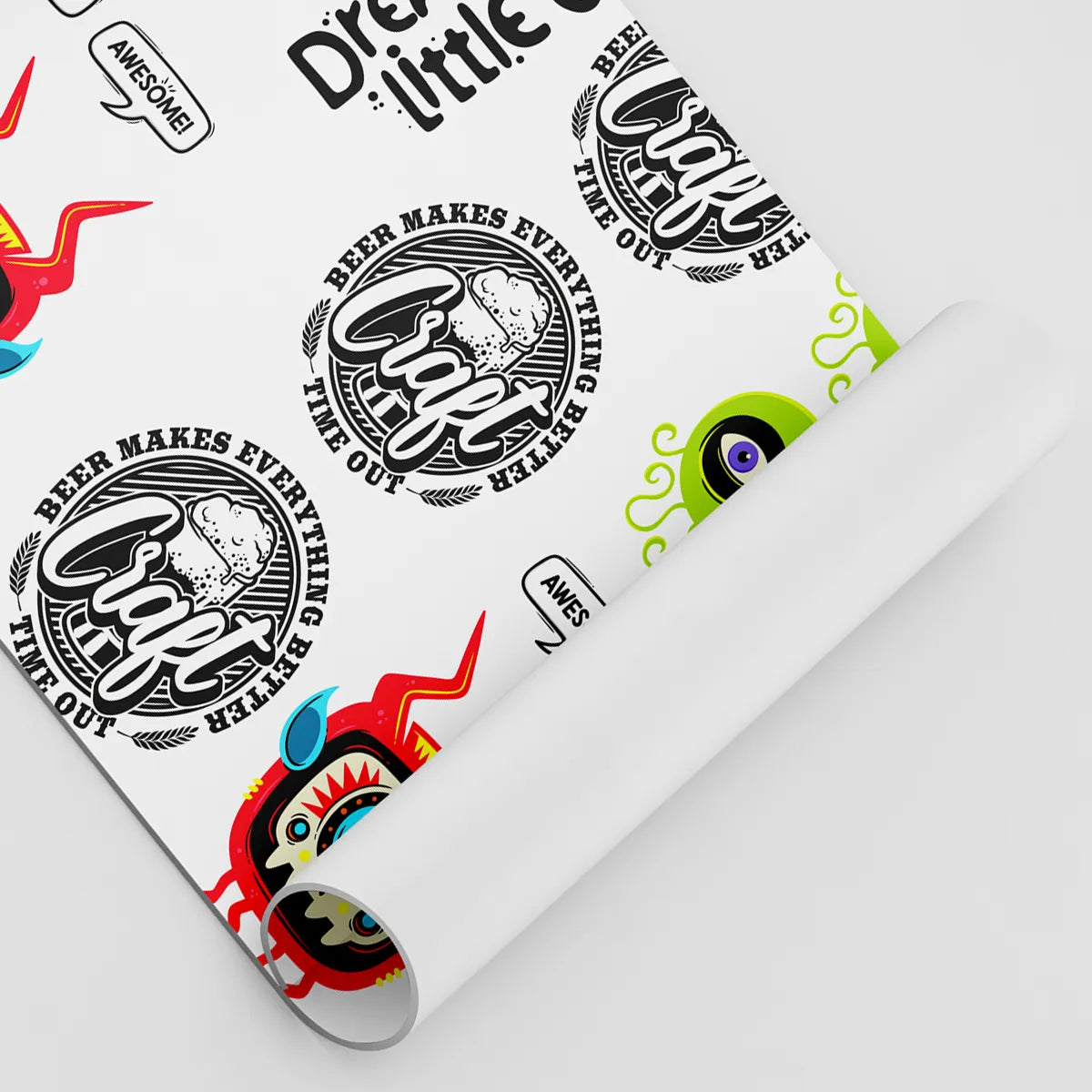
Yes, DTF gang sheets allow you to upload multiple designs in a single file, maximizing film usage and reducing waste. Ensure your designs are organized and fit within the specified dimensions for best results.
- What should I do if my upload fails?
If your upload fails, check for common issues such as file format errors, size discrepancies, or internet connectivity problems. Consult the printing service's support documentation for troubleshooting tips.
- How can I ensure the best print quality?
To ensure the best print quality, prepare your designs according to the specifications provided by the printing service. Use high-resolution images, maintain correct color settings, and review your files before submission.
Conclusion
Uploading custom DTF gang sheets is a vital skill for anyone in the custom apparel industry. Understanding the intricacies of DTF printing, preparing your designs correctly, and mastering the uploading process can lead to enhanced productivity and superior products. By following the outlined steps and best practices, you can ensure a seamless experience that meets the demands of your clients. EazyDTF
As you continue to refine your skills, remember that every upload is an opportunity for growth and improvement. Embracing the learning curve will not only benefit your business but also enhance the quality of your custom apparel. Stay committed to excellence, and you'll undoubtedly elevate your brand in the competitive world of custom printing.

